 Skip to content
“This may sound silly, but what’s the point?”
Trust me – it’s not dumb. Sometimes in the lactation and birth space, we throw around words and phrases, act like everybody they should know them (even if many don’t).
I am asked what depression is all the timeso I thought it was a good time to share a little about a term that is often used but not well understood.
What is Letdown in Breastfeeding?
When someone mentions letdown, this refers to the time when your body releases milk from the breast reservoir and sends it forward through the ducts to the nipple. It is also called the milk ejection reflex, and it is mainly controlled by the hormone oxytocin.
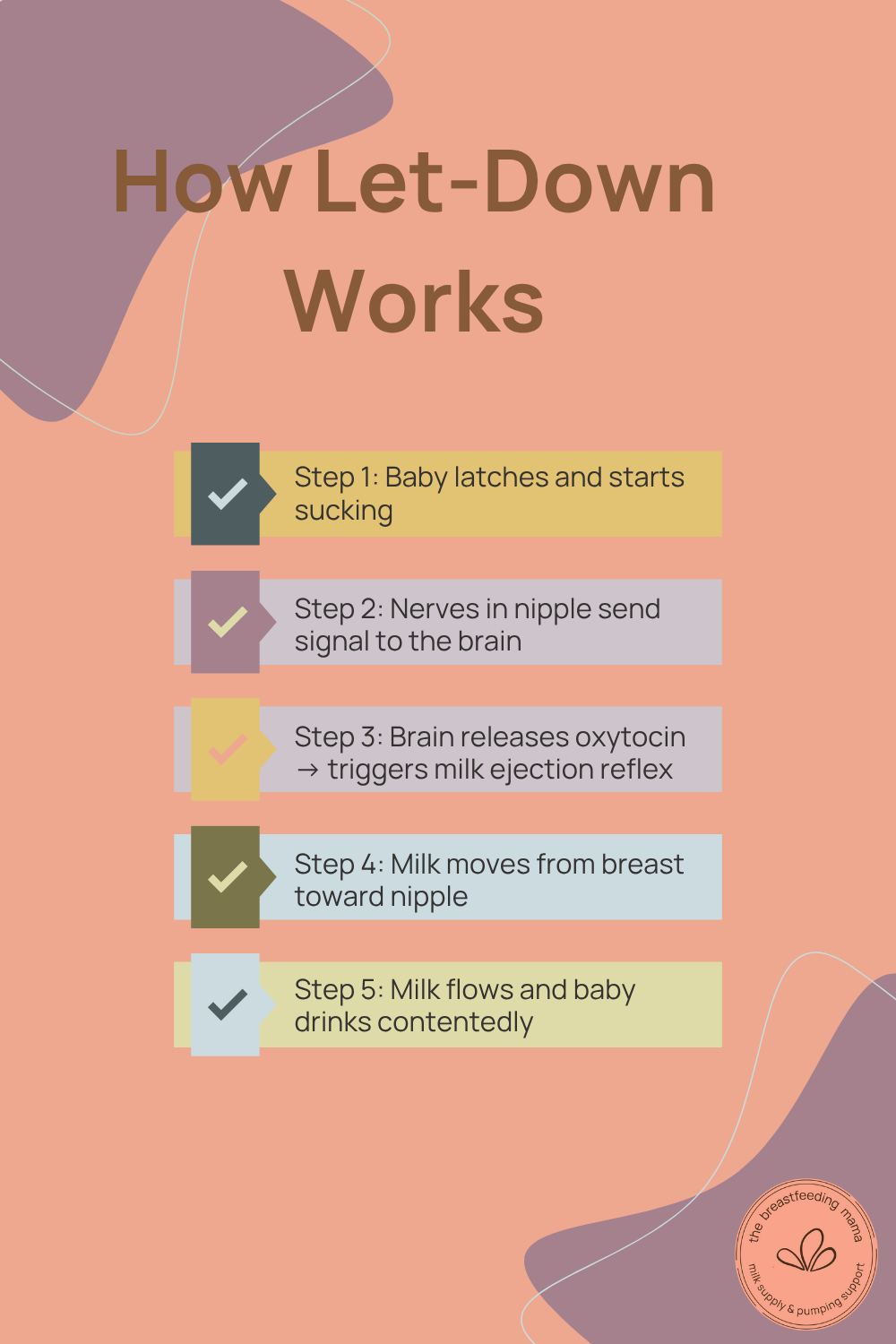
When your baby is nursing, the suction sends a message to your brain, essentially saying, “We need milk now.” In response, your brain releases oxytocin, which causes the small muscles around the milk-producing cells to contract and trigger the release. That’s why the milk suddenly flows from the inside of the breast to the nipple and that’s why the milk flows so fast.
This is why you may feel upset when you hear your baby cry, look at a picture or video of your baby, or think about feeding. Oxytocin is controlled by emotions; it is concerned with comfort, connection, routine, and your environment. (If you want to dive deeper into the hormones that come after breastfeeding, I also wrote about prolactin vs oxytocin in another post.)
Frustrations During Breastfeeding
Every woman describes depression differently. Some ordinary people
-
Crying
-
Severe pain
-
Getting warm
-
Pressure
-
Sudden acceleration or release
And some don’t feel anything, which is normal. With all my babies, the hearing has been different – with my first and fourth child, I didn’t hear anything, and with my other two, it seemed fine.
Fainting happens within minutes of feeding your baby or pumping, but it usually happens throughout the feeding. Some women experience milk ejection during rest periods, especially in the first few weeks.
You may also notice a drop when you are not feeding, things seem random baby cryingcuddling your baby, or even cuddling their toddlers, can cause them to do so.
How to Avoid Frustration While Breastfeeding
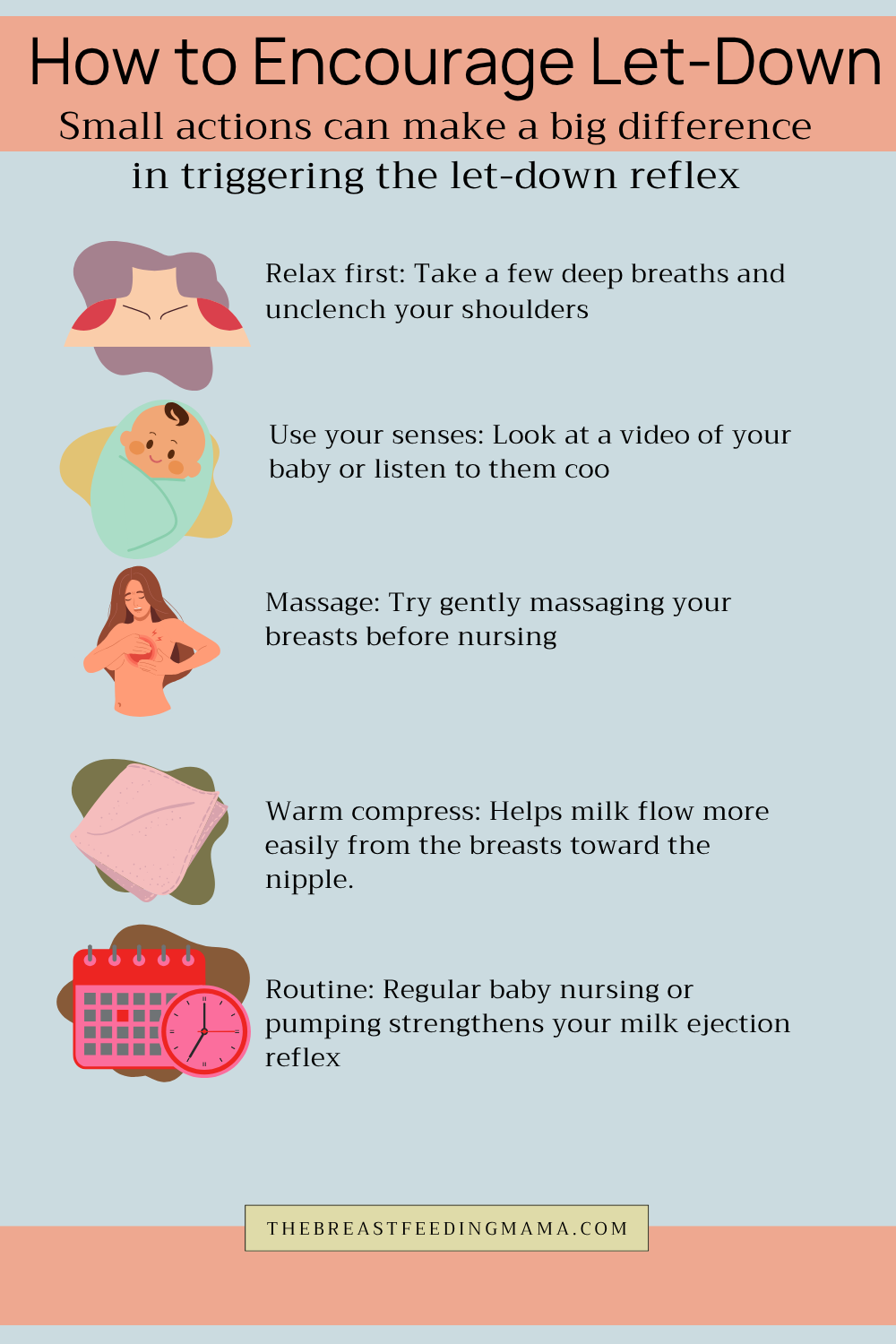
Sometimes it takes a long time to drop down, especially when you are tired, fatigued, or running. Here are some ways to help your body get through it.
Create a Sustainable Environment
When stress hormones are high, oxytocin has a harder time doing its job. Try to take a few breaths, relax, and slow down. Even a little rest can make a big difference. Reducing stress while breastfeeding can increase your stress levels.
Massage Your Breasts Gently
Before you breastfeed or pump, try a gentle massage from the outer breast to the breast. This helps to signal to your body that milk is important and to keep things moving.
Check Your Child’s Photos or Videos
Your brain responds strongly to emotional cues. A sweet video of your baby or a few pictures can help trigger the reflex, especially when using a breast pump.
Heat helps
A hot compress or a hot shower before eating will loosen the muscles and stimulate milk flow. This is especially helpful if you feel stressed or cold.
Use Your Baby’s Breastfeeding Method
If your baby is having problems at the breast, letting them “test the suck” or nurse briefly can help reduce the risk of drooling. That initial sucking action is designed to tell your body, “Let’s do this.”
Hear Your Child
As if seeing them helps, sometimes the sound of your baby’s cooing or cooing can help get your milk supply down. It’s okay if it feels wild—your body is wired for it.
How To Reduce Drops While Breastfeeding
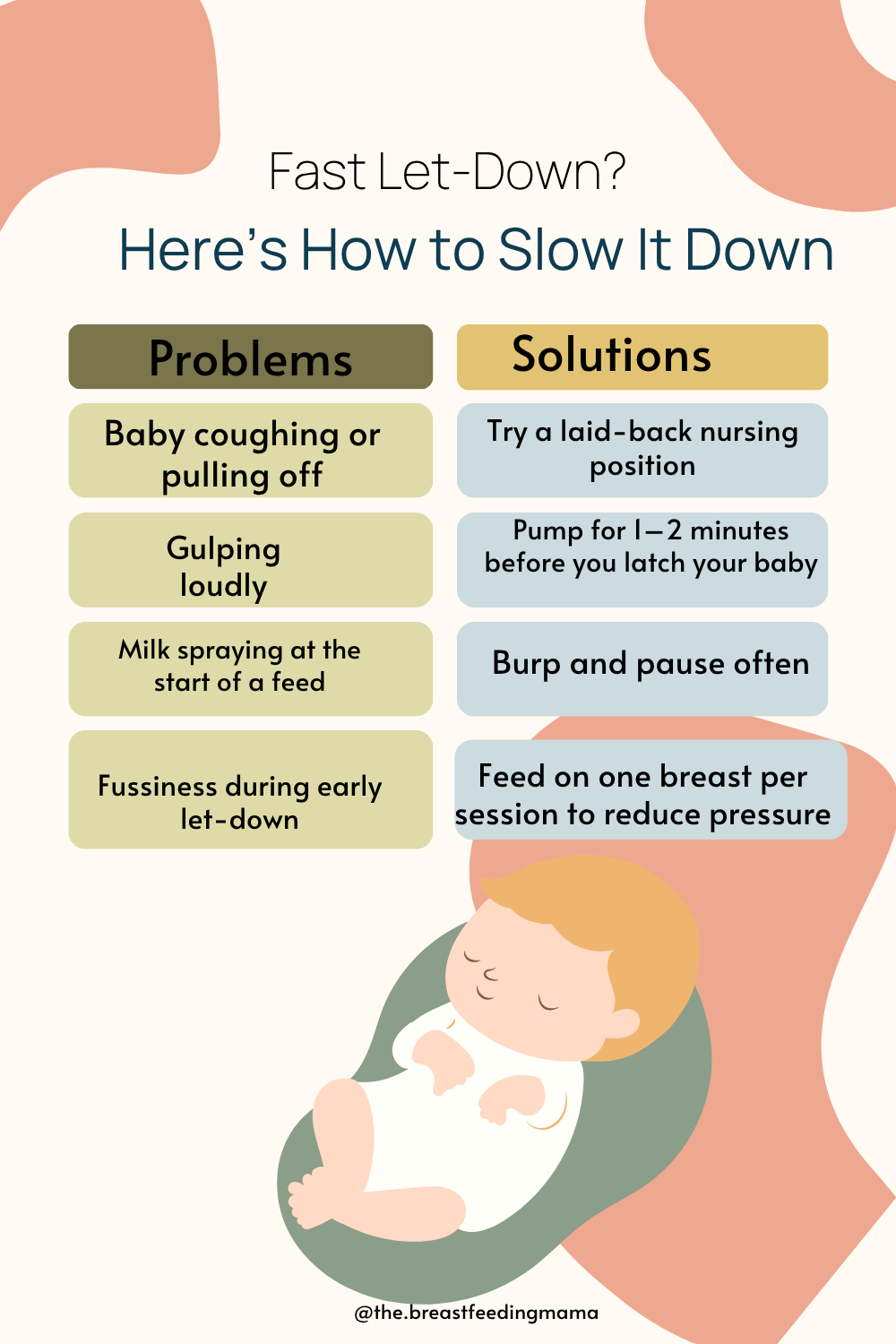
Some women come down quickly or forcefully which leads to coughing, spitting up, or discharge from the breast. If that sounds familiar, here are some ways to help slow things down.
Try a Fixed Location
Feeding in a reclined or supine position helps reduce movement by working with gravity. Your baby may have better control of the milk, and you may feel a little pressure when the pumping starts.
Let the First Download Flow in the Fabric
If your baby has trouble with the first rush, you can let a small amount of the spray in the towel, then cover your baby when things settle down.
Use Paced Breathing
Slow, steady breathing can help calm your body and prevent you from producing too much milk. Oxytocin responds to breathing as much as it responds to touch.
Speak Kindly Before You Start Nursing
A few seconds of hand talking can reduce stress and help your baby feel more comfortable at the beginning of the meal.
Change Child Location
Sometimes turning your baby a little or trying an upright position will give him more energy and prevent him from swallowing. Small changes can go a long way.
Breastfeeding isn’t always easy, and learning how to breastfeed takes time. If you’re feeling unsure, overwhelmed, or just wondering what’s best, you’re not alone. I’ve been through this with many parents, and it gets easier when you understand how your body works.

If you need help with walking, breastfeeding comfortably, changing positions, or supporting your milk supply, my team is here and you can follow your instructions. We are available to negotiate worldwide and work with a wide range of insurers.