 Skip to content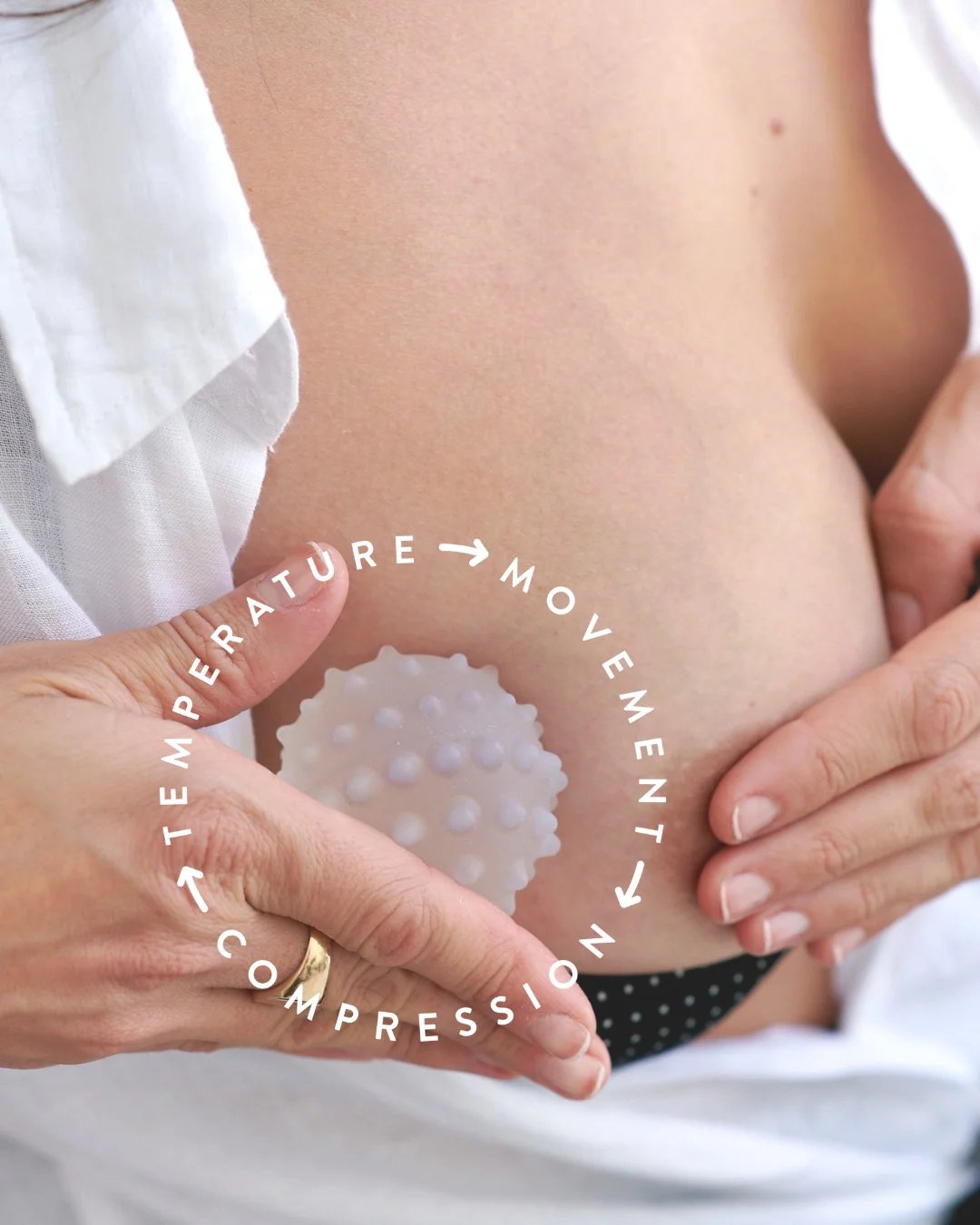
If you are I started looking for treatment for mastitis, you are perhaps come for the advice I am telling you just “nurse the wound.”
For many years, intense massage, shaking and attempts to “remove the breast” were acceptable. But the new research has changed our understanding of mastitis and breast inflammation—and we know now that this old advice can actually to be has been maxand worse symptoms.
So, massage Help me mastitis?
The answer is yes—but only if you do it calmly and correctly.
We chatted with Your Two Bottles (an educational platform that empowers breastfeeding moms through exercise classes) about digestive juices and how they can help breastfeeding moms.
Here we are what the latest evidence says.
Understanding myou stand: I am uactually andinflammation ffirst
Mastitis affects one in three breastfeeding mothers and can cause:
-
Breast pain and tenderness
-
Redness or heat
-
Swelling
-
Symptoms of fever or flu
-
A hard or painful area in the breast
-
Other problems including breast sores, if not followed
In the past, these symptoms were thought to be caused by a “blocked pathway” that needed to be physically broken.
However, the revised Clinical Protocol #36 of the Academy of Breastfeeding Medicine explains that most cases of mastitis are caused by breast swelling and edema, which suppresses milk supply and interferes with milk flow. Instead of a hard “plug” that needs to be broken, the main problem is usually inflammation and swelling. This updated understanding has dramatically changed the way medicine is thought.
Therefore, dthis massage help mare you standing?
Deep massage? No.
Current guidelines strongly advise against aggressive rubbing, shaking materials and high temperature. This can:
-
Increase inflammation
-
Damage to the delicate breast tissue
-
Because risks are injury
-
Increase swelling around the ducts
-
Prolong recovery
Lymphatic massage? Yes.
Methods to reduce lymphatic drainage they are encouraged; they they help to reduce swelling and promote fluid circulation without causing any side effects.
Unlike deep tissue massage, lymphatic drainage uses very light run and sweep slowly to encourage more water from the swollen muscles, not to try forcing the milk through the pressure points.
Research and clinical practice show that this procedure can:
✓ Reduce inflammation
✓ Improved comfort
✓ To help the milk flow properly
✓ Help women to keep the swelling down
✓ Promote alternative medicine
What Is It lemphatic bfrom the line massage?
The massage uses soft, sweeping motions on the skin rather than intense pressure on the muscles.
Its purpose is to support the body’s natural lymphatic system and reduce congestion around the breast tissue. Lymphatic drainage therapists are experts in using this technique.
We asked Your Two Jugs to share their thoughts on lymphatic massage and why gentler techniques are more effective than vigorous massage.
“Everyone The first thing that comes to mind when thinking about massage is deep tissue, rejuvenating massage or the exercise they get on their backs. But breasts muscle is a completely different football game! We are not massage muscles Here. Deep tissue massage often increases inflammation in the body. That’s it that’s why we often feel sore for a few days after a back massage.
Breast tissue is soft and delicate, and is very sensitive in practice that. Many women who try to forcefully massage mastitis or blocked ducts feel more pain, and worse signs. They did really just fight inflammation and swelling!
When we change our thinking from “removing the problem quickly” to directing the fluid “away“, we have the best way to reduce symptoms and protect our muscles. “
Why? YOur two jars away myou stand by ssupport
Your Two Jars team developed a mastitis rescue system program supporting women using an evidence-informed approach.
Their approach focuses on:
-
Reduce inflammation
-
Gentle lymphatic channels
-
Supporting healthy eating habits
-
Rest and hydration
-
Awareness when medical treatment is important
Where does Lactamo fit in?
Without access to a dehydrator, many women find it difficult to use these methods regularly. Lower lymphatic drainage requires light pressure as well the right wayand it can be difficult to judge the amount of pressure and movement, especially when the breasts are painful and swollen.
Lactamo is designed to help I also recommend the use of gentle lymphatic drainage and breast massage techniques in a simple way, reproduction and availability of women. Through heat integration, walking with light compression, it also helps women avoid unknowingly putting too much pressure on the swollen breast tissue.
Lactamo is compatible with current breastfeeding advice, as well as independent clinical studies and clinical settings programs he said nice effect to support nursing mothers.
What eall helps mare you standing?
According to the latest guidelines from the Academy of Breastfeeding Medicine, supportive management includes:
Continue to feed as usual
Feed it your child is needed. Attempting to express the breast completely or increasing pumping can encourage more milk production and more swelling.
Use cool, not very hot
Cold packs can help reduce swelling and relieve discomfort.
Consider anti-inflammatory medications
Ibuprofen can be helpful if it is right for you. Always talk to your health care provider about medicine.
Prioritize rest and hydration
Recovery is important. Mastitis is often accompanied by systemic symptoms, as well as shortness of breath.
Seek medical advice when necessary
If symptoms worsen, you develop a fever, or symptoms do not improve within 12-24 hours despite efforts.medical monitoring is important, as are antibiotics important sometimes bacterial mastitis.
We asked Your Two Jugs, how their understanding of mastitis has changed the new research?
“Recent research has only strengthened our understanding of mastitis inflammation. Before ABM Protocol #36 came out, we had to change it how we were monitoring our patients at the hospital because not all of them responded. We returned to our knowledge of the body and it was clear to us that we needed treatment inflammation and lymphatic function. It was our game changer mother and we had very good results in the hospital. Therefore and has been really big see the records progress, so more women can get better results for their symptoms. “
What advice would you give to women who have been told to use forcefully? massage?
“So For any woman who has been using massages too hard, or going too hard, now is the time to switch! Don’t do that worry about the past, you he wasn’t to know better. Moving forward, massage every muscle you do they shouldn’t to hear pain, they shouldn’t bring tears to your eyes, and they shouldn’t feel like you are you hurt yourself. Good and easy, Mom!”
Most of the time aspoon questions
Can massage make mastitis worse?
Yes. Deep or vigorous massage can cause inflammation and muscle injury. Current guidelines recommend avoiding aggressive massage.
It is lymphatic canal different from a regular massage?
Yes. Lymphatic ebb and flowalreadyge they use very light the pressure is designed to reduce swelling rather than forcing milk through the ducts.
I should try to remove mine breast completely?
No. Current guidelines suggest feeding your baby properly and avoiding pumping or overfeeding to “empty” the breast.
When should I see a doctor?
Go to the hospital if:
-
You have flu-like symptoms or fever.
-
The symptoms are getting worse.
-
You do not feel better after 12-24 hours.
-
You think you have an abscess or mastitis.
The bautomatic lme
The guidelines for mastitis have changed.
Recent research shows that when it comes to massaging during mastitis, gentler is better. Instead of trying to “massage the blockage”, current guidelines focus on reducing inflammation, supporting the lymphatic system canal and to save normal milk extract.
When it comes to massage, purpose no push hard—and supporting your body’s natural healing process as gently as possible.
References
Mitchell KB et al.Academy of Breastfeeding Medicine Clinical Protocol #36: The Mastitis Spectrum, Updated 2022. Breastfeeding Medicine. 2022;17(5):360-376.
Every breastfeeding journey is different. This article provides information only and is not personal medical advice. If you have serious symptoms, recurring mastitis, or health concerns, ask your doctor for advice.