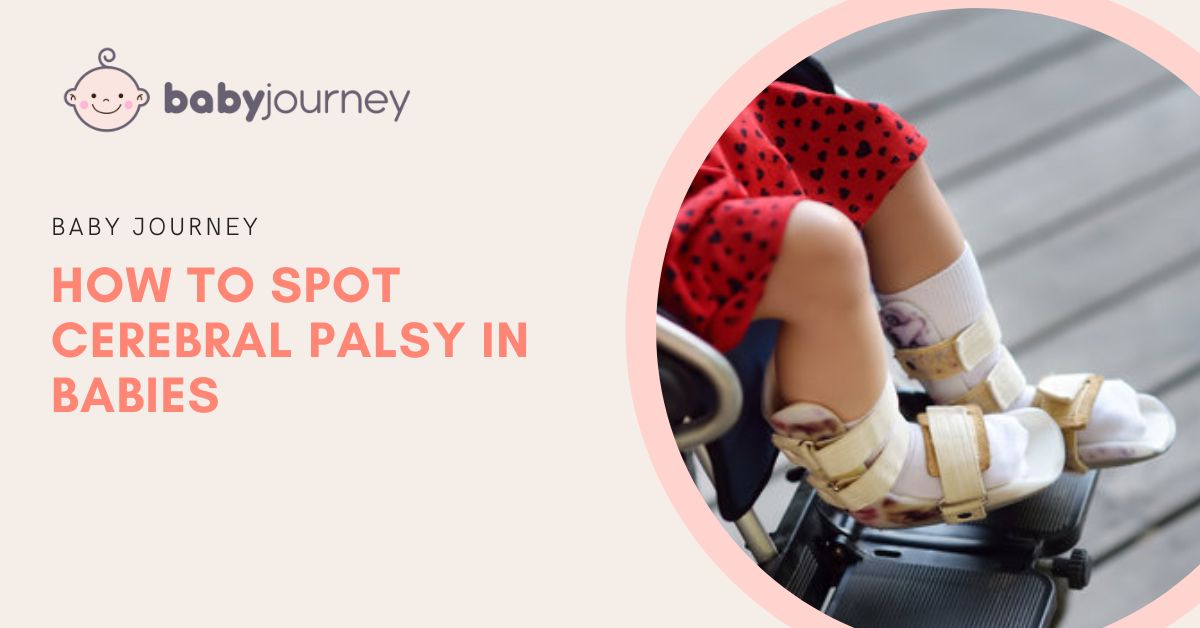
As a parent, ensuring your child’s health and happiness at every stage of their development is your highest priority. Unfortunately, some children experience health problems from birth that can last a lifetime.
Cerebral palsy It is a serious problem that can affect the development of a child, which has many effects on physical development and cognition. This problem can cause your child to be disabled for life.
It is important to educate yourself on how to recognize the signs and symptoms of cerebral palsy in infants. Understanding the causes of the condition and knowing what to do if your child is affected can make a big difference. This guide will help you recognize these early signs, understand their causes, and take steps to get the best possible treatment for your child.
What Is Cerebral Palsy, and What Causes It?
Cerebral palsy (CP) is an umbrella term used to describe several related but distinct neurological disorders, each with its own set of symptoms. CP is the most common childhood disability and can vary in severity. The condition is caused by damage to the developing brain, usually before or after birth.
So what causes cerebral palsy in babies? Cerebral palsy is caused by abnormal growth of the brain or damage to motor control centers in the brain. This damage can affect the child’s muscle tone, movement and motor skills. CP is a lifelong condition, but its effects vary widely, from mild to severe cerebral palsy. Some children with CP may experience minor motor difficulties, while others have physical and intellectual disabilities.
Also Read: Montessori Toys For Kids
Brain damage that causes cerebral palsy can be caused by a number of factors, which are often divided into prenatal, congenital and congenital.
Things to Expect
- Diseases during pregnancy: Infections such as rubella (German measles), cytomegalovirus and toxoplasmosis can cause serious damage to the unborn child’s brain.
- Maternal health problems: Diseases such as thyroid disease, high blood pressure or diabetes in the mother can increase the risk of CP.
Perinatal Complications:
- Complications during birth: problems such as lack of oxygen (birth asphyxia) due to long hours of work can damage the brain.
- Premature birth: Babies born before 37 weeks are at greater risk because their brains are not developing properly.
- Minimum birth: Babies weighing less than 2,500 grams (5.5 pounds) are more likely to develop CP.
Postpartum Events:
- Severe jaundice: High levels of bilirubin can damage brain cells in newborns if not treated quickly.
- Respiratory diseases: A child’s respiratory disease can cause breathing problems, causing brain damage.
- Brain diseases: Infections such as meningitis or encephalitis can cause inflammation and damage to the brain.
- Head injury: traumatic brain injury in infancy can lead to cerebral palsy.
- Hypoglycemia: Low blood sugar can cause damage to the brain leading to stroke.
What are the main symptoms of Cerebral Palsy to watch out for?
Recognizing the early signs of cerebral palsy in babies is very important to get the right treatment and support for your child, especially the signs of cerebral palsy in premature babies. Signs and symptoms can vary greatly, as CP affects each child differently. Here are the main signs to look out for as your baby grows:
Developmental delay
One of the first signs of cerebral palsy is developmental delay. Take extra care if your child:
- Does not roll over, sit, crawl or walk at expected age.
- They have difficulty with motor skills, such as grasping small objects or picking up food.
Unidentified Muscle Tone
Disorders of muscle tone are common in infants with CP. Check out:
- Hypertension: hard or tight muscles that can make your child look unusually stiff or stiff.
- Hypotonia: floppy or too loose, which makes your baby feel like they are being held.
Imbalance and Caution
Issues with coordination and attention can become apparent as your child begins to move. Check out:
- Difficulty controlling body movements, resulting in tremors or difficulty walking.
- Unsteady walking, or walking with difficulty, often appears when your baby starts to take his first steps.
Disappointment
Spasticity, characterized by muscle stiffness and stiffness, is a common symptom. Symptoms include:
- Muscles that look tight and hard to move.
- Exaggerated emotions, such as a strong response to a slight tap.
Postural and Behavioral Issues
Check your child’s posture and movements for any unusual situations:
- Biasing one side of the body, such as always reaching with one hand or dragging one leg.
- Abnormal behavior, such as legs crossing (crossing each other) or unusual hand positions.
Eating and Swallowing Difficulties
Difficulty feeding can also be a symptom of CP. Check if your child has:
- Difficulty absorbing, chewing or swallowing.
- Frequent choking, coughing or vomiting during breastfeeding.
Other Symptoms
Other symptoms may include:
- Fainting: any signs of a seizure, such as sudden seizures, tremors, or seizures.
- Speech and language difficulties: delay in babbling or speaking, or not understanding language.
- Problems seeing or hearing: vision or hearing problems, which may affect your child’s ability to respond to visual or auditory stimuli.
Your observations on the symptoms of cerebral palsy in infants as a parent are important. Keeping a developmental diary can help track your child’s progress and provide information to healthcare providers. Recognize patterns, behaviors or concerns you may have.
Also Read: Best Stroller Essentials
What Should You Do If Your Child Has Cerebral Palsy?
If your child has been diagnosed with cerebral palsy, it’s important to make sure they get the right treatment and support so they can manage their symptoms and live the best possible life. Treatment options include:
- Physiotherapy: improving movement and muscle strength.
- Speaking and language: helping with communication skills.
- Job support: providing guidance in completing daily tasks, such as using the toilet.
- Medicines: reduce physical symptoms, including muscle stiffness or stiffness.
- Brain health support: to help deal with the problems that children with neurological disorders often face.
- Academic support: to ensure that the child receives accommodations to succeed in school.
- Surgical procedures: improve mobility and ease of movement in dealing with other physical problems.
In addition, it is important to consider whether your child’s neurological disease was caused by medical negligence. Mistakes made by medical professionals, such as doctors, nurses, midwives or other hospital workers, can lead to the development of brain diseases. These errors may include:
- Delay in delivery
- Abuse of drugs to speed up labor
- Failure or delay in diagnosis
- Mistakes that lead to dangerously low blood sugar (hypoglycemia)
- Failure to treat neonatal jaundice causes kernicterus
- Failure to perform a C-section on time
If you suspect that your child’s brain disease is caused by a lack of adequate medical care, it is best to seek advice from a medical professional. They can help you determine if you have a liability to pay. A successful claim can provide the necessary funds to support your child’s lifelong care and support.
Although there is currently no cure for cerebral palsy, the disease affects the lives of children and their families. However, by correctly identifying the symptoms and ensuring proper treatment and care, you can give your child the best chance of a fulfilling life.