Skip to content
I’ve noticed a harmful tendency for people to actively demonize food. Such behavior is most often due to a significant lack of basic information and refusal to do a simple Google search.
When clients or viewers ask me how to lose weight, I break down the basics of nutrition, focusing on calories in vs. out, spending, and macros. Unfortunately, about 85% of the time, this scientific reality is met with fierce resistance rooted in rigid cultural dogma about “clean eating.”
We as a society have developed such poor eating habits that the moment someone chooses to eat healthy food, they are treated like an alien freak. If you sit down to eat a salad or oatmeal, people will literally question your choices as if you’re doing something wrong.
I am very fast-talking, have a sharp mouth, and have a way of reacting directly from outside the dome, so I always have to check my natural temperament. As I’ve gotten older, I’ve learned to stop, assess the situation, and seek clarity, rather than immediately firing back with harsh retorts.
Protecting my peace of mind has become my primary goal. This means assessing whether someone is acting out of true ignorance or simply trying to sabotage my progress.
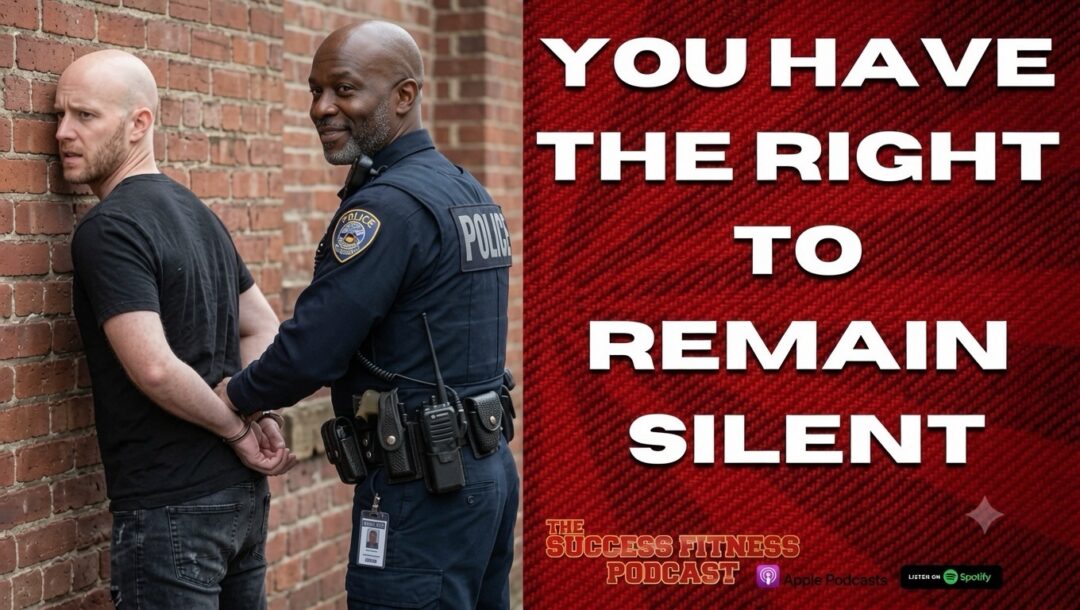
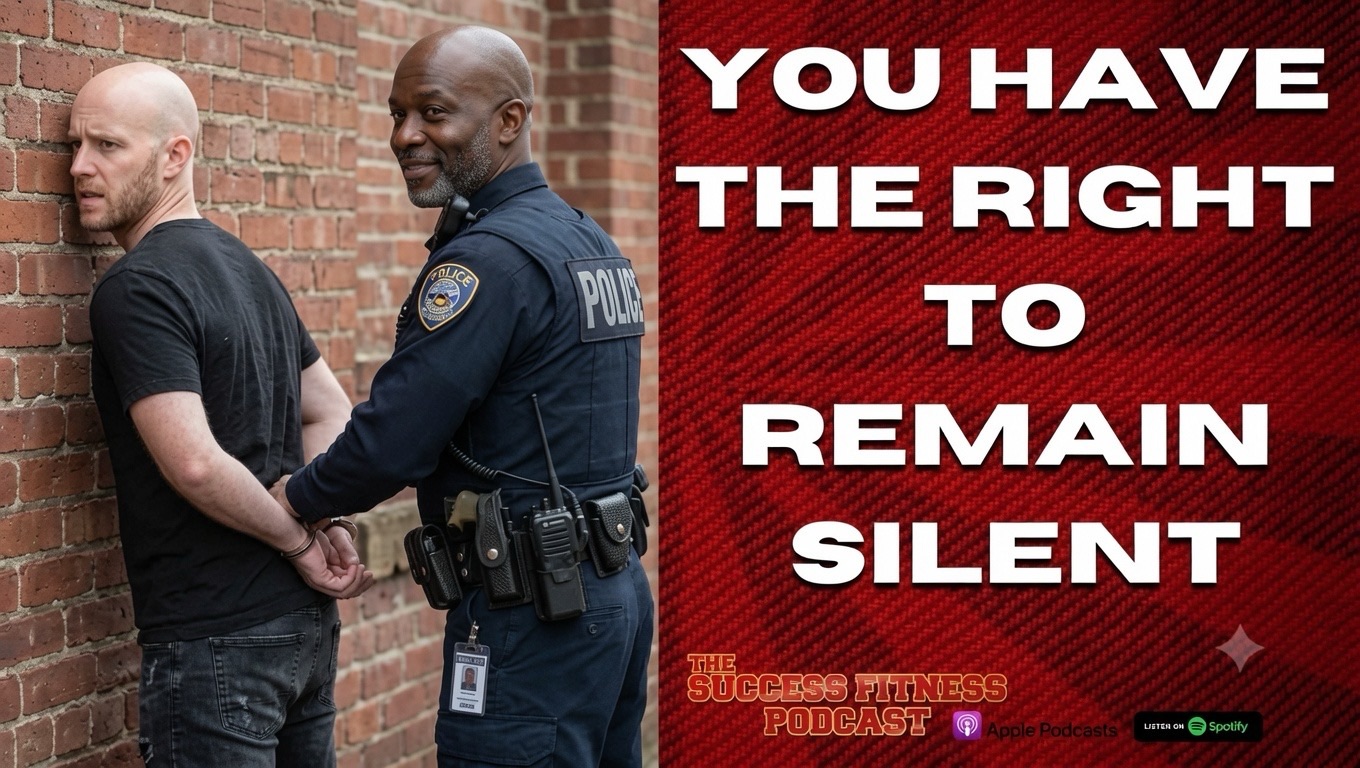
Confront internet commenters
I recently posted a photo of freshly made juice sealed in a mason jar. This is an area of health that I have focused on for over 10 years. One woman commented on Facebook that the bottle needed to be completely filled to the top to avoid oxidation, claiming that was the only way to make the juice last longer.
I pointed out to her that people like to repeat things without real evidence and asked her to send me any scientific data or comparative studies that would prove this theory. When she insisted that she was “just trying to help,” I politely reminded her that providing factual information is the best way to help and that it’s not rude to ask for a receipt.
Another example is a YouTube short video where I used a high-speed blender to make a nutritious steak soup. Viewers were quick to comment that processing that amount of protein would make your stomach dangerously acidic, and warned him to eat more healthy fats to prevent ulcers.
It made me wonder why people are incredibly quick to modify pieces of content without asking basic context questions first. They actively ask questions about the benefits of salads and green juices, but they don’t think or ask any questions about the greasy cheeseburger they just ate.
The third situation involved another YouTube video of me performing intense squats during a high-intensity leg session. I joked in the caption that my previous set of 315 pounds reminded me of why I despised leg days, but commenters immediately tried to caution me by saying that the bar weight in that clip looked like 295 pounds, not 315 pounds.
When I sent him a link to the actual 315 max value set to clarify, another user jumped in and said I should have made that clear in the video.
This just proved my point. People are incredibly quick to criticize things they think are wrong, but go completely silent when they actually post the evidence.
Roots of negativity and jealousy
When you step back and look at these compounding situations, it becomes incredibly clear where this desire to denigrate your own food choices, training, and discipline comes from: out of pure jealousy.
Having the intrinsic drive to wake up early, track your nutrition, execute meal prep, and continually push your body’s limits releases powerful, positive energy. People see that personal power and want to make it their own, but because they lack the discipline to create it, they cling to what’s yours or actively try to destroy it.
I understand the psychological weight behind the idea that “no one should have that power,” since society often penalizes people for having complete control over their own lives. I used to walk in shoes that weighed 402 pounds, but losing 187 pounds completely changed my physical and emotional reality, eliminating the constant pain and inflammation in my joints that I had previously had.
I know firsthand how incredible it is to regain health, so I’m not going to let keyboard warriors living in a digital cocoon with no results speak ill of my progress.
We live in a culture where people feel entitled to project their raw emotions as absolute facts, but emotions are data, not facts. It’s perfectly fine to stand your ground, look your critics in the eye, and ask to see factual receipts before accepting criticism.
As content creators and as individuals changing our bodies, we cannot allow anonymous digital dumbos to determine our worth or make us slack in our daily efforts.
Prioritize men’s health and mental wellness
June is Men’s Health Month, and my ultimate goal moving forward is to expand this conversation beyond just weightlifting and macro tracking. I would like to have professional mental health therapists and psychologists on the podcast to address the inner conflicts that men are traditionally conditioned to repress.
True health requires being honest with yourself about your inner state, stress loads, and emotional limits.
We need to start looking at our own “carfax” — our actual blood tests, blood pressure, resting heart rate, and sleep quality — instead of relying solely on how we look. The current cultural and economic climate places tremendous strain on adults, and many men are chewing off far more responsibility than they can safely chew off without an outlet.
Working out has always been a major therapeutic savior for me, but I desperately need a space where men can openly discuss their struggles with time management, lifestyle balance, and self-care.
At the end of the day, your fitness journey is your own, and protecting it requires a keen foresight to understand who is genuinely supporting you and who is trying to project their own insecurities onto you. The next time someone questions your health boundaries or wants to microanalyze your plate, remember that the information is completely free.
Tell them that Google search is always their friend, focus completely on your own execution, and if it’s not making you stronger, keep asking for more weight.