 Skip to content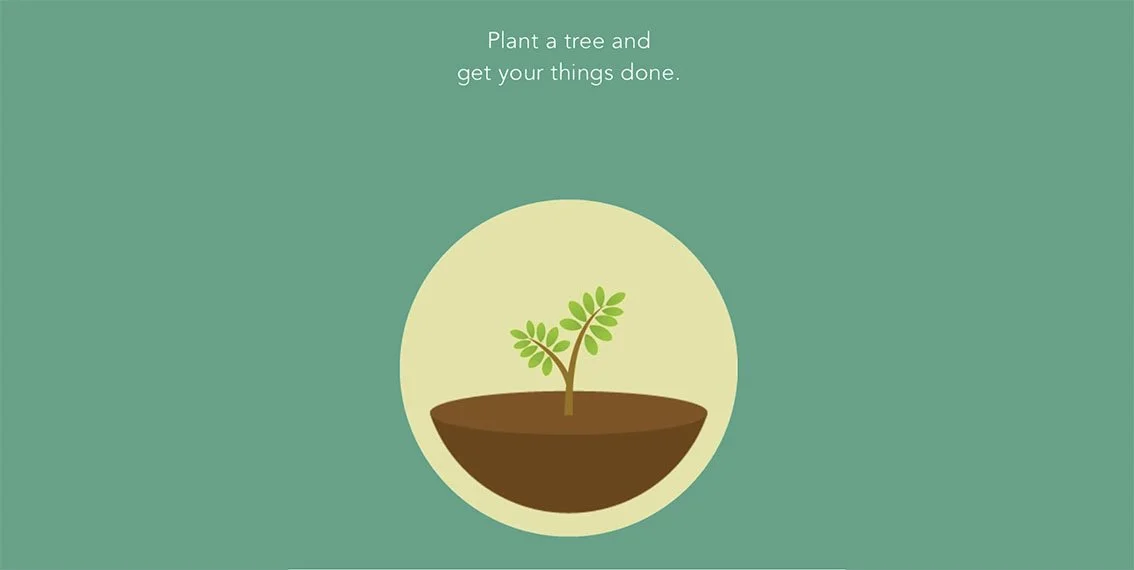
The month has been difficult for various reasons. But in the history of natural breastfeeding, no baby has ever nursed as well as she did. If there were records, they would be broken. It’s like your child has studied the food distribution system across the country and decided that you WANT to be a big producer.
Before all this business, breastfeeding was an important part of their lives, sure, but you feel like you’re on top of the action.
Now things seem to be above you. Most of the time it’s really above you. It’s a foot in the ear. Sometimes they have a car in hand. Sometimes they get twisted trying to watch TV at the same time. Sometimes a nanosecond after the last suck.
You’ve mastered the art of making a Zoom call with a screen protector so you can only see above the chin. You can write on a laptop while breastfeeding and it won’t slow you down at all. You can complete an online shop, peel a potato, paint a rainbow – all with someone attached to your breast.
Sometimes you are so grateful that you continued to breastfeed during these uncertain times. Your baby is still getting access to the immunological benefits of breastfeeding at a time when this may not seem like a good idea. But this is difficult. Purchased is a term that is sometimes used. Affection feels like a distant memory. You don’t feel that you have control over your body.
You are trying to empathize with your child. This must be normal for them. They are inside. There is no nursery. There is no big family. Life is different and they may not understand why. Adults may be worried. Something is happening. Breastfeeding is a time when they feel safe and encouraged. They can control a country that seems to have lost control. She asks to breastfeed and it happens. They feel connected to you and feel in control of their environment. They may also be tired. Breastfeeding is the right thing to do.
We can be compassionate, and we can appreciate natural breastfeeding and we can set boundaries at the same time.
Breastfeeding an older child doesn’t mean your feelings are any less. Breastfeeding an older baby doesn’t mean you aren’t allowed to take some time to think about yourself. You are allowed to feel full. You are allowed to have enough.
Your child does not want to be raised as a martyr for breastfeeding. They want a real person with thoughts and desires and physical independence.
This is their first intimate relationship. You are teaching them about kindness to others. You are teaching them that other people’s opinions matter and that sometimes we have to look at other people before ourselves. You are teaching them that sometimes people need to take a moment, have space, breathe. None of that is inconsistent with being a good parent. It makes you a good parent.
Sometimes we discuss ‘nursing ethics’ with older children. If they pinch or hit us while feeding, we want to try to find ways to change this. Parents do this because they don’t like being rejected and beaten. ‘Yes, this is not just a breast. This is me!’ But we also try to do this because we want our children to understand that resisting and hitting anyone is not kind. Everyone’s kindness starts with these little lessons and talking to a baby just a few months old about being gentle and having gentle hands.
Nursing ethics goes beyond hand-wringing. It means having a kind heart when the breasts are in the middle of an important meeting or the breasts are tired, or the breasts have to go and get their own water. Even from a young age, it is good to talk about the importance of waiting. Even when the time starts to sound, it’s good to say, “Would you like if we just watch a little or read a book as my breasts / milk / milk needs a little rest?” You are teaching an important lesson about being open with emotions and how those in a romantic relationship can show vulnerability and the importance of giving and receiving and compromise.
None of this has anything to do with being a breastfeeding advocate and natural breastfeeding advocate. If you think that child-directed breastfeeding means you are NEVER allowed to say no, you may be preventing others from continuing to breastfeed in the long run.
Kind parenting means trying to create kind people and this is done by example and compassion and communication. I was once asked to help produce articles about compassionate parenting. I dedicated my weaning blog to toddlers and preschoolers. The editorial board refused because they did not hear about breastfeeding and the banning of breastfeeding in accordance with their culture. Really? I’m not sure he ever got dressed in the morning and deliberately chose a shirt with small, neat buttons because it would mean he’d get more work done that day.
Every time we tell a parent that child-directed breastfeeding means that there is no restriction on the part of the parent and that the parent must respond to any request to breastfeed without restriction, we can keep older children from breastfeeding for a long time. We’re perpetuating the myth that breastfeeding means you can’t be normal with your frustrations and bad days and your goals and aspirations.
What will help you if you are a former nursing Guinness World Record Breaker at the moment:
1. Just talk to them. Be honest. Say you love to breastfeed, and milk is special and keeps you strong and smart, but sometimes you need a break. Just a short one. Milkies will be there soon. You don’t have to stretch the truth and make other excuses for life. You don’t have to pretend that they need time to produce more milk. It’s okay to say how you feel. I have met parents of 3 and 4 year olds who are struggling and will do anything (including wearing nipple shields) rather than try to share their feelings. We can admit that we are tired. We can agree that we need to focus on something else.
2. Some of these are about those who seek to control their country but the country feels that they cannot control it. Their speech is developing and so is their understanding of communication. He asks to breastfeed and it happens and it’s magic. What else can accomplish that goal? Can he ‘ask for a book’? It is sometimes said that reading one book is more like nursing a small child than many other activities. If you can’t read at that time, make a waiting room. They can stack the books they want you to read in the order they want. Or how about a doll waiting room? Or cards with pictures that show what they like and there’s a board on how to use the next request?
3. He may be thirsty. Do they have cups they can reach and use on their own?
4. If you are working from home, they are not used to it. They are not used to you staying at home and not getting your attention. This sounds strange. What short tasks give you 15 minutes to work on? In the office, we take a break to drink tea, talk to a friend, or even just pick up your phone and wipe. It is better to keep the housework to a minimum. Use a timer to show them the time passing. The ‘Forest – stay awake’ program allows you to plant a cyber tree that grows slowly over a set period of time. A bud appears, leaves grow and the tree grows slowly. At the end of each set period, you will have enough tree to add to your virtual forest. They can come back and look at your device to see how the price is growing. Has the tree grown well and is it time to wean? Or the chance to read a book? Plant a forest together made of patience.
5. Breastfeed but on your own terms. It can be ‘count to 10’ (Count slowly or quickly depending on how you feel). Or an older child can ‘buy’ breastfeeding by exchanging a bracelet or a toy.
“Here are 5 plastic spoons / coins / dinosaurs. We’re going to play milkies store. If you want to breastfeed, you can buy one. But you only have 5 left until lunch / dinner / when I’m done with this project.”
It’s amazing how long they’ll last on the last one. They feel empowered knowing that it is saved. It is still their choice when to ‘spend’.
If you have other ideas that have helped you, please feel free to share them in the comments below. You may have a #stayathome nursing solution that can change someone’s life.
This is not easy. And it’s okay to ask for help. It’s okay to want to set limits. Raising a small child at this time, when we are all at home, is not easy for anyone and just because you are breastfeeding, does not mean that you are not immune to it. You don’t have to be the ‘perfect’ parent who always puts themselves second. Finding connections, ways and sometimes saying, ‘not right now’ is healthy for both of you.