 Skip to content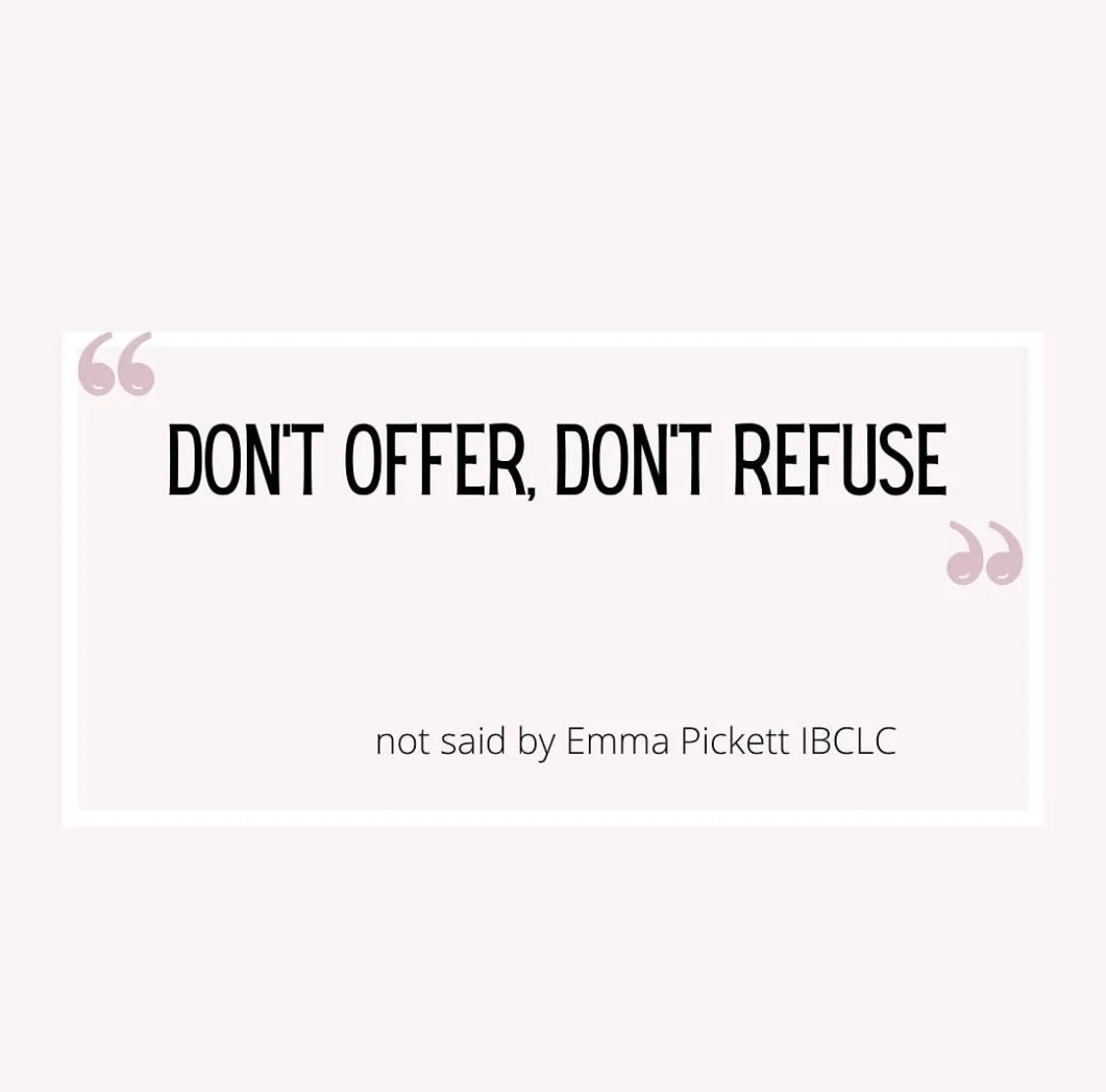
When a mother decides it is time to stop breastfeeding and searches for information on the Internet, she may encounter the phrase, “Don’t Give, Don’t Refuse.” Many sources refer to this as ‘breast feeding’. Some are willing to admit that this is ‘the gentle way of breastfeeding’. I want to challenge the idea that it is a complete weaning process.
Even for those who are gentle parenting and want to be child-led, I’m not sure that’s a good goal that we should embrace as child-feeding professionals. I suspect it wasn’t made by someone who is feeding a 23-month-old who asks about 30 to 40 minutes a day plus in line at the grocery store, from the back of the car, while you’re grilling noodles, while taking care of a newborn. I’m not sure if it was created by someone who is fighting hate or is working full time (or part time). Or someone who wants to stop breastfeeding.
It is a method of weaning like standing in the rain is a ‘laundry method’. You can get there in one day, after a long time, but it may not be the best or the most efficient way.
Parents who breastfeed and breastfeed often neglect their needs. Many times I have helped women, especially those who became mothers at the beginning of the epidemic, who went from childhood to childhood and lived in places where they did not feel confident and set limits or feel that they have the right to sometimes refuse. Parents are encouraged to start with responsive breastfeeding and to be responsive to their baby’s needs, but this should not continue throughout breastfeeding and we need to sometimes give permission to parents to be in between. This may mean deciding to stop breastfeeding and start breastfeeding under parental supervision. It may also mean being consistent in nursing habits or making breastfeeding a day in a way that works for everyone.
Don’t give? Why give up? Why can’t a person give when they are about to go out or have a shower? Or when they are in the middle of breastfeeding and say something like, “We can eat a short meal now but after that the next meal will be bedtime.” Adopting the autonomy of the body and showing that these are your breasts and sometimes you can decide when the feeds are done is a powerful lesson for all members of the union. You may want to give because you know the next hour will be very busy or you like to eat at a certain place or it just feels like the right time. I don’t believe that sometimes donations are incompatible with stopping breastfeeding. You are in control of when the feeds work for you.
Don’t you refuse? I don’t like to use the word ‘deny’. It is not a word of love and kindness. It means selfishness and a little cruelty. When a parent is too emotional to look at another meal and ask for a hug or read a book instead, I don’t want it to be called ‘refusal’. Every mother, even those who do not want to initiate breastfeeding, has the right to refuse breastfeeding. What kind of message are we sending about someone being responsible for their body if every request for food has to be followed? What opportunities for important parenting conversations are we missing? I believe that even women who don’t want to lead to the end of breastfeeding can benefit from explaining sometimes that they don’t want to breastfeed and that’s okay. Even if it’s frustrating and annoying, that’s part of honest and healthy parenting. Being a gentle parent means encouraging your child to develop empathy and start him on the journey to becoming a caring and intelligent little one. How can we do this if we are not allowed to show that our thoughts and needs are also important?
If you want to stop breastfeeding and are struggling with your baby’s current breastfeeding situation, please get help. If all you get is the phrase, “Don’t give, don’t refuse,” keep looking.
to
If you are happy to continue, remember that your needs are important too and that refusing to feed a large nurse is healthy and important. It’s important for your health and it’s important for your child to understand that other people’s opinions matter and that their needs can be met in different ways. This is a two-way relationship. It always has been. Now your child is not 100% dependent on his food, especially. Setting boundaries and being honest about your feelings is how relationships work. We should not accept the idea that mothers and fathers should be quiet and obedient.