 Skip to content
Separation anxiety can be difficult for young children who start childcare. Changing time away from parents or senior caregivers can cause fear and anxiety, which often makes it difficult for children to care for themselves. For parents, watching their child struggle with this transition can also be difficult, as they want their child to feel safe and happy in a new environment.
However, there are good ways to help children become more confident, reduce stress, and adjust to childcare. With the right approach and support, children can feel safe and independent as they settle into their child care routine.
Understanding Separation Anxiety
Separation anxiety is a critical period in childhood development, appearing in infants around 8 to 12 months of age. For many children, this can continue into the school years. At its core, separation anxiety is the fear of being separated from familiar people or places. Children who experience this often cling, cry, or refuse to be left at daycare or school, because they are not comfortable with strange places.
Although separation anxiety can vary, it usually decreases over time as children learn that caregivers will return. However, some children may need additional support. Understanding what anxiety is and knowing what to do about it can help parents and caregivers deal with it with patience and compassion. If you’re looking for ways to support your child’s transition, find tips here to make the transition easier for both of you.
Preparing Your Child for Care
Planning is key to making the transition easy. Before the first day, briefly explain the idea of childcare. Talk about childcare as a fun place to play, learn, and make friends. Visiting daycare centers together allows children to explore new places with the comfort of having a parent close by. They may also meet some of the caregivers or other children, which may help them to be less nervous.
Another helpful strategy is to practice some time-separation at home. For example, parents may leave the room for a few minutes and then return, reassuring their child that they will return. Gradual separation strengthens the child’s confidence that they will not be left alone forever, helping them to better cope when the time comes.
Establishing a Common Practice
Routines go a long way in keeping children safe. A regular daily routine helps them know what to expect, making transitions easier and less stressful. Establishing a routine at home that includes mealtimes, bedtimes, and playtimes can help children become more regular when it comes to childcare.
Parents can also create a special farewell ceremony that is familiar and comforting to the child. For example, a quick hug, a special word, or a warm goodbye can help children identify and comfort them. When you say goodbye, it is better not to be late, because this can make the separation more difficult for the child.
Strengthening the Faith of Caregivers
Children need to feel safe and cared for in child care. Building a trusting relationship with babysitters can help children feel safe when their parents are away. Caregivers can help children by providing friendship and consistency, responding to their needs, and providing a friendly presence, and acceptance.
For parents, showing happiness and confidence in caregivers can also help. Children are very aware of their parents’ feelings, and when parents speak positively about their caregivers, the child feels that childcare is a safe place.
Acknowledging and Validating Feelings
It is important for children to know that it is okay to be afraid, scared, and even sad when they are separated from their parents. Acknowledging and validating these feelings allows children to change their feelings without being forced to hide them. By supporting their feelings in this way, parents and caregivers encourage positive behavior, helping children feel understood and validated. For example, saying, “It’s not good to miss Mom and Dad.” You are safe here, and we will see each other soon,” assures the little boy that their feelings are normal while lovingly encouraging him to join the shelter.
Being Calm is Good
Children often imitate their parents’ feelings. Being calm and gentle during the descent can encourage the child and help him feel more comfortable. Parents may feel anxious or sad about dropping their child off at school, but maintaining a positive attitude can help ease their child’s nerves. Stay positive and offer encouragement, such as, “You’re going to have so much fun playing today!” it can positively affect the way the child sees things.
Giving Time
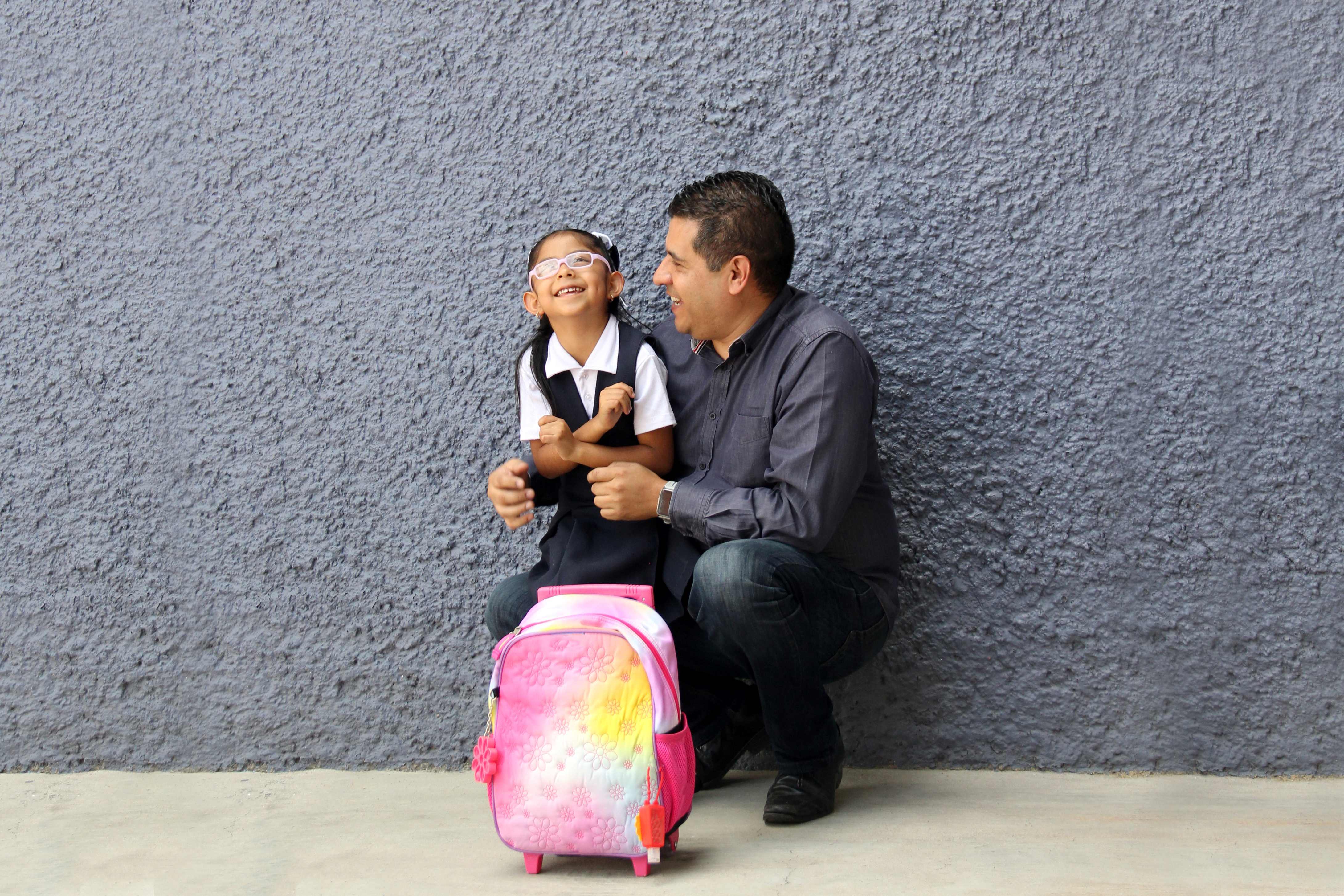
Overcoming separation anxiety is a gradual process that requires time and patience. Some children adapt quickly, while others need more support to stay safe. Being patient and consistent in using these techniques can help a child become more comfortable and confident in childcare. Instead of expecting immediate results, focusing on small improvements allows parents and caregivers to celebrate each step of the child’s progress.
The end
Helping a child overcome separation anxiety in childcare is a process that takes time, understanding, and consistent effort. By preparing children for childcare, establishing routines, building trust with caregivers, and encouraging independence, parents can support their child’s journey to feeling safe and confident in new environments. With patience and kindness, children can learn to cope with separation, form healthy relationships and care for children. Over time, the skills and resilience they develop will help them adapt to future experiences.
Sharing is caring!