 Skip to content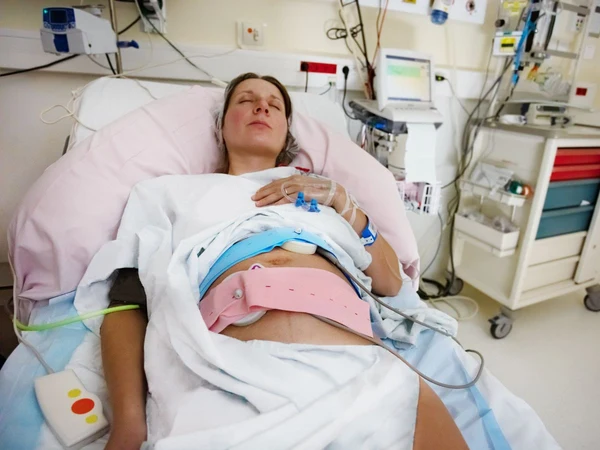
Key points
- Contraception may be prescribed if there is a risk to the mother and/or her child by continuing the pregnancy.
- There are several ways to work. Often a combination of methods is used.
- Spontaneous labor is not for all women – some prefer to let natural labor begin.
- After the induction it is important to observe.
What is interesting work?
Induction of labor, also called induction or Induction of Labor (IOL), is a process in which people are induced randomly. An antenatal care provider, either a midwife or an obstetrician, uses techniques to dilate the cervix, break the cord (water) or induce labor. In most cases, implantation involves a combination of two or more of these methods.
According to research, in Australia, one in three women have difficulty giving birth. In most cases, induction is done in the hospital, although the ‘stretch and sweep’ procedure (see below) can also be done during pregnancy.
But I don’t understand why I need to be logged in!
It is important that you are fully informed and give your consent for your work to be created. It is also important that you understand that the benefits are clear and the risks are minimal. Antenatal care providers are responsible for discussing the benefits and risks of insemination.
It is best to wait for your prenatal care provider to explain why you need an induction, the risks of having it or not having it and what can happen if you wait until your labor starts naturally. You also need to understand how your work will be done and what you can do.
What is the difference between induced labor and natural labor?
In most cases, labor begins without intervention between 37-42 weeks of pregnancy. The water breaks and/or, the blockage starts and labor progresses naturally.
Natural labor tends to be slower than artificial labor. The jump gradually increases until it becomes more and more intense. In questionable births, constipation can start very quickly and be strong from the beginning. Women with labor problems may feel the need for pain relief before labor.
Having an interesting job increases the risk of needing help again. This may include birth assisted by venous tubes or a ventouse. Mothers who give birth by spontaneous method may also have fewer opportunities during childbirth because the baby needs to be monitored more closely.
Can’t I wait until my labor starts naturally?
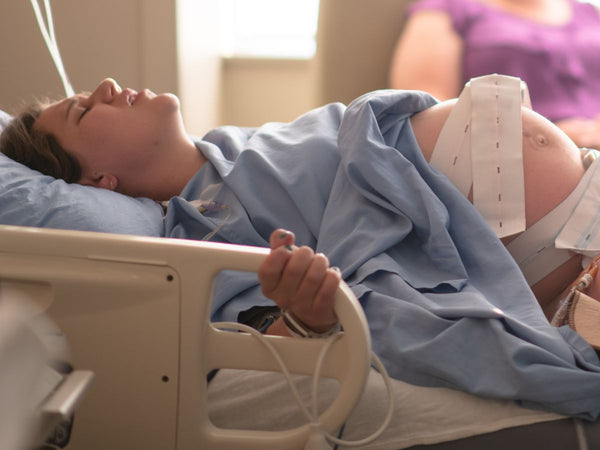
As the baby’s due date approaches, nature prepares the cervix to begin to thin and expand. However, if there is a risk to the health of the mother or the child, the birth control method is the best option. In the two weeks after the baby’s birthday, the amniotic fluid can decrease in volume and there is an increased risk of the baby being larger than average. There is also an increased risk of complications for the mother and the unborn child.
Why should I promote my work?
There are several reasons why induction may be recommended. In most cases, induction is recommended if there is a risk to the health of the mother or her child from continuing the pregnancy.
The most common reasons for induction are:
- Being late – pregnancy is more than 10-12 days past the due date.
- The asphalt is not working as well as it should.
- Maternal diseases such as high blood pressure, kidney disease or diabetes.
- Delayed fetal movement and/or, abnormal CTG (Cardiotocograph).
- Induction of labor may be necessary within 24 hours of the rupture of the membranes if the baby is stillborn.
- Social reasons such as being far away from the maternity clinic, a partner needing to leave or the availability of a maternity care provider.
- The water has broken but the flood has not started naturally.
- Having an infection in the uterus.
- Having multiple pregnancies.
- When the baby has amniotic fluid – oligohydramnios.
- When a baby dies in the womb or is unable to survive outside the womb.
Some women find that an advanced pregnancy is very difficult to cope with. In some cases, a woman’s request for an insemination is considered if she feels that her physical and mental health will be compromised by waiting until the natural cycle begins.

When will we not be accepted for admission?
Labor induction is not recommended for all women. Women who have had surgery in the past and who suffer from pain afterwards are at a higher risk of uterine rupture.
If the bag is lying on the cervix, there is a previa, or the baby is lying on its side or in the uterus, it is not allowed to enter the womb.
Other reasons why insemination may not be accepted are if the mother has a history of herpes at the time of birth, or within six weeks of her birth date. Insemination is also not recommended if the woman has cervical cancer or contraindications to labor or childbirth.
How is work affected?
Your doctor or midwife will perform a vaginal exam and examine your cervix. This process may not be pleasant, but it will give you important information about how you plan to work and whether your work has begun.
The most common methods of operation are:
- A pelvic exam, also known as a ‘stretch and sweep’ – is a procedure used to measure fecundity. The prenatal care provider feels the amniotic sac or membrane and moves the membrane around the baby from the wall of the uterus.
- Break the water. This is also called artificial rupture of membranes or ‘ARM’.
- Having an ARM and having a vaginal discharge that contains oxytocin – the hormone that initiates the labor of the uterus.
- Prostaglandins – these are in the gel that help to relax the cervix.
- Balloon catheter – this is placed inside the cervix and the balloon is filled with saline/water.
Are there any risks involved in starting a project?
The general consensus is that having an induction is the solution if there are risks involved in waiting until natural labor begins. However, there may be other risks associated with induction.
- Infertility – this can occur when implantation is done but does not result in the uterus being delivered and surgery may be necessary.
- Decreased fetal heart rate.
- Infection – ARM can increase the risk of infection for both mother and child.
- Uterine rupture – This can happen if the uterus ruptures along the scar line from a previous cesarean section.
- When insemination is done for reasons other than long-term pregnancy, it may increase the chance of needing surgery.
- Pregnant women lose a lot of blood after giving birth.

Measure what’s right for you
Only you, your loved ones and your prenatal care provider can determine what is right for you. It’s easy to feel overwhelmed and unsure, especially if you’re pregnant and it’s important to make careful decisions. There are many factors to consider when deciding whether the benefits of induction outweigh the risks. Talk openly with your health care provider and let them know if you have any concerns.
You are responsible for your body and it is important that you are empowered and informed to make the right decisions for you and your baby. Our online birthing courses can provide you with the knowledge to help you understand and improve your working experience with modules on childbirth, postpartum care and more.
About the Author:
Written by Nourish Baby and Jane Barry. Jane is fully qualified in paediatrics, immunisation, midwifery and pediatric nursing. She holds a Bachelor’s Degree in Applied Science (Nursing) and has approximately 35 years of pediatric health nursing experience. She is a member of a number of professional associations including AHPRA, The Australasian Medical Writer’s Association and the Australian College of Children and Young People’s Nurses.
References
Working | Pregnancy and Baby (pregnancybirthbaby.org.au)
Promoting labor: Time to wait, time to start – Mayo Clinic
Career development | Royal Women’s Hospital (thewomens.org.au)