 Skip to content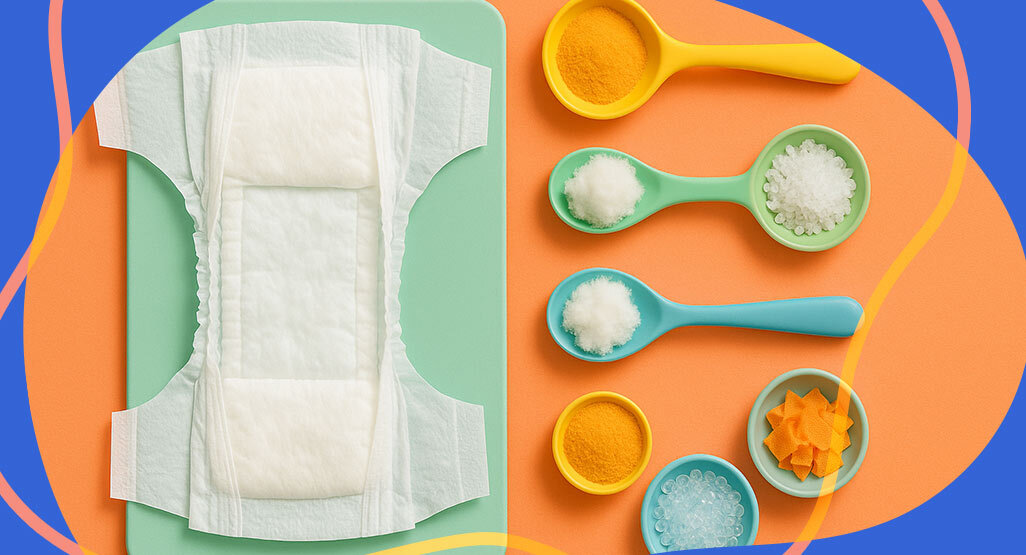
BabyCenter selects products based on research by our editors and the wisdom of parents in the BabyCenter Community. All prices and details are correct at the time of publication. We may find services from affiliate links.
Diapers are the most used baby diapers you can buy – you’ll change thousands in the first year alone. And they always meet one of the most difficult areas of your child. So yes, what they are made of.
But most of us don’t really know what it is in they.
If your baby has sensitive skin, if you’re trying to avoid certain things, or if you want to feel confident about what’s covering your baby 24/7, it helps to understand the components.
Most disposable diapers follow suit. We use Pampers SwaddlersIt will open a new window – undoubtedly the most popular brand, and our selection of the best diapers – to explain what’s inside, what each group does, and what to look for.
Top layer: The layer that covers your baby’s skin
This is the part where your baby feels, so softness and rest are important. Most diapers use nonwoven polypropylene (think soft mesh) that pulls moisture away from the skin. Pampers Swaddlers also add a light lotion made with petrolatum and aloe to protect against irritation, especially during overnight wear.
Swaddlers are hypoallergenic and do not contain parabens, latex, and elemental chlorine – essential for sensitive skin. They are also dermatologist-accredited by the Skin Health Alliance, an independent organization that reviews skin care products.
Observations: Look for hypoallergenic materials, no added fragrance, and no latex. Babies with sensitive skin can do better with diapers without lotions or fragrances, but many benefit from a built-in barrier that helps prevent rashes.
Absorbent core: An absorbent core layer
This is where the wetness goes and stays. The core usually combines fluff pulp (derived from seeds) and super-absorbent polymer (SAP), which turns into a gel when wet. This design helps the diapers to be smaller while holding more water.
Babies use a pacifier that locks in moisture and helps keep babies dry up to 3X – a great combination for skin protection and sleep.
Observations: At a low but effective level it is worth it. The larger brands, including Pampers, offer a stronger effect. If you notice a leak or drop, try changing the size or trying a different color.
Backing paper: An outer layer that prevents leakage
This waterproof layer sits between the nipple and your baby’s clothing, car seat, or chest. It usually consists of a plastic film with a soft, cloth-like cover that feels good but stops leaking.
Pampers Swaddlers prevent the bleaching of elemental chlorine in the layer, which is another success for babies with sensitive skin.
Observations: Choose diapers with drip protection that aren’t dry or plastic-y. The breathable outer mask helps keep the skin comfortable, especially overnight or in hot weather.
Lotion layer: A built-in skin barrier
Some diapers coat the top sheet with lotion to protect the skin from moisture. Pampers SwaddlersIt will open a new window Include this supplement as part of their rash prevention regimen.
Observations: If your baby has a skin problem, check if his diaper contains lotion. Some babies do well with extra protection, while others need a simple, removable diaper.
Legs and braces: Locking braces
These are soft, stretchy materials that help prevent chafing and keep the diaper in place. Most brands use a blend of polypropylene and spandex so the diaper moves with your baby.
Observations: Look for a flattering but gentle look on the legs and hips. Red marks, gaps, or frequent eruptions may mean the right diaper size or style for your baby.
Are diapers safe for my baby’s skin?
The largest range of diapers, including Pampers SwaddlersIt will open a new windowtest their products for skin safety and avoid common irritants such as parabens, latex, and chlorine bleaching. Pampers also brings over 60 years of quality testing and safety to their designs, giving many parents peace of mind.
That said, no diaper works best for every baby. If you notice irritation, try switching to sensitive skin, full-size changes, or choosing a diaper without added lotions or fragrances.
Bottom line
Diapers may seem basic, but each part does its job – to absorb moisture, protect the skin, and prevent leakage. Knowing what goes into it can help you choose the right one for your child, especially if you’re struggling with tantrums or going out at night.
Finding the right diaper takes trial and error. Try a few, see what works (and what doesn’t), and trust yourself to figure it out – one change at a time.